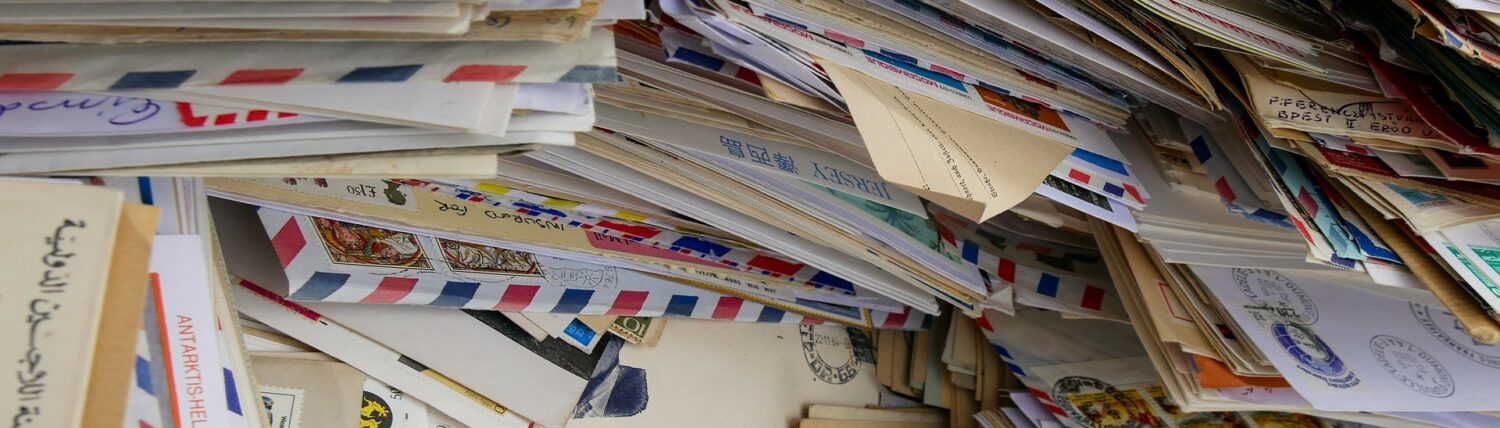
A postcard collection that languishes in a shoebox under the bed is like having a library where all the books are locked away. I learned this lesson early in my collecting journey when I realized that beautiful cards I had forgotten about meant nothing to me or anyone else. Organization and proper storage are not merely practical considerations—they are acts of love toward your collection. They determine whether your postcards remain vibrant and accessible for years to come, whether you can actually enjoy what you have collected, and whether you can share your treasures with fellow enthusiasts during postcard exchange sessions or at collector gatherings. The methods you choose will shape your entire collecting experience.
The Two Fundamental Storage Systems
When beginning to organize your postcard collection, you face an initial decision: albums or boxes. Each approach offers distinct advantages, and many experienced collectors actually use both methods strategically depending on their collection’s composition.?
Album Storage appeals to collectors who prioritize accessibility and display. Loose-leaf albums with see-through protective pockets allow you to examine cards front and back without touching or damaging them. This advantage is particularly significant if you are participating in a postcard exchange community where you might want to show cards to fellow collectors, or if you enjoy regularly reviewing your collection. Albums work beautifully when your postcards contain handwritten messages—since both sides are visible, you can appreciate the complete story each card tells.?
Box Storage offers practicality for large collections. Acid-free storage boxes with dividers allow you to organize hundreds or thousands of cards while maintaining their pristine condition. This method works best when your collection is extensive and organized by clear categorical systems—geography, subject, era, or artist.?
Many collectors adopt a hybrid approach: valuable, beautiful, or frequently-displayed cards go into albums, while bulk collections are stored in organized boxes. This allows you to enjoy your favorites while efficiently managing the full scope of your collection.?
The Non-Negotiable Foundation: Archival Quality Materials
Before deciding which storage method suits you, understand that all storage—albums, boxes, sleeves, dividers—must be acid-free. This cannot be overstated. Acid naturally occurs in wood pulp paper and certain plastics, including PVC (polyvinyl chloride). Over time, these acids migrate into your postcards, causing yellowing, brittleness, and deterioration that cannot be reversed.?
Archival polyethylene or polypropylene sleeves represent the safest individual postcard protection. These materials are chemically inert and will not off-gas or leach harmful substances into your cards. Each postcard should ideally rest in its own individual sleeve slightly larger than the card itself—this prevents stress on the card while inserting or removing it.?
Avoid Lamination at All Costs. I cannot stress this enough. While lamination might seem protective, it actually traps moisture and causes irreversible damage. Once laminated, a postcard cannot be restored.?
Album Organization for Display and Appreciation
If you select album storage, invest in archival-quality albums specifically. Look for albums featuring soft, PVC-free plastic sleeves and bindings that allow postcards to lie completely flat. A flat-lying postcard avoids stress on creases and corners.?
Measure Before Purchasing. Postcards come in multiple sizes—vintage cards typically measure 3.5″ by 5.5″, while modern or continental postcards measure 4″ by 6″. Specialized albums accommodate these dimensions, so determine your postcard sizes before committing to a particular album system.?
Page Options Include:
- 3-Pocket Pages: Accommodate larger postcards or cards you wish to display prominently?
- 4-Pocket Pages: Maximize space while holding standard-sized postcards?
- 2-Pocket Pages: Ideal if you prioritize viewing both sides without removing cards?
Albums work particularly well for topographical collectors—one album per region or town creates a beautiful, cohesive display. Similarly, subject-based collectors might dedicate albums to specific themes, making browsing intuitive and visually satisfying.?
Box Storage for Comprehensive Collections
Large collections benefit from box storage combined with thoughtful organization systems. Acid-free short-top boxes specifically designed for postcards provide ideal dimensions while preventing dust infiltration.?
Organizational Systems Within Boxes Include:
By Geography: Separate boxes or sections by country, state, region, or town. This system appeals naturally to topographical collectors and makes finding specific locations straightforward.?
By Subject Matter: Organize postcards of animals, lighthouses, transportation, or other themes in dedicated sections. This works beautifully if you are building a subject-based collection or participating in focused postcard exchange communities.?
By Era or Date: Some collectors prefer organizing chronologically—Pre-1900, 1900-1920, 1920-1945, Post-1945—which reveals artistic and printing evolution.?
By Publisher or Artist: If your collection focuses on work by specific artists or certain publishers, organizing accordingly allows appreciation of artistic styles and evolution.?
By Condition or Value: Separate valuable, rare, or fragile cards into special storage, keeping them apart from everyday cards.?
Use acid-free index cards—pre-scored for easy use—as dividers between sections. This creates visual and physical organization without damaging cards.?
Digital Cataloging: The Modern Advantage
While physical storage methods preserve your collection, digital cataloging transforms how you manage and enjoy it. Specialized collection software like Recollector allows you to photograph each postcard and input comprehensive information: date, origin, condition, value, and personal notes. This creates a searchable digital inventory you can access from any device.?
Digital cataloging offers remarkable advantages:
- Immediate searching by any category or field?
- Ability to create subsets displaying particular themes or regions?
- Backup security—your collection information survives if physical cards are damaged?
- Organization flexibility—resorting your collection by different fields instantly?
- The ability to view cards remotely, making postcard exchange discussions and valuations simpler?
Many collectors maintain digital backups on external drives or cloud storage, ensuring their collection information is preserved even if disaster strikes.?
Environmental Considerations: Where and How to Store
Proper storage location matters as much as storage method. Temperature and humidity fluctuations accelerate card deterioration. Never store postcards in attics, basements, or outdoor storage facilities where temperature and humidity vary dramatically. Instead, keep collections in climate-controlled “living spaces”—bedrooms, hallways, or interior closets where conditions remain stable.?
Ideal Environmental Conditions:
- Relative Humidity: Between 30-50%, with below 65% preventing mold growth?
- Temperature: Stable, ideally between 60-70°F?
- Light: Stored away from direct sunlight, which fades colors and damages delicate papers?
- Air Quality: Away from sources of dust, smoke, or chemical fumes?
Absolutely avoid storing postcards near heating systems, water pipes, or areas prone to moisture.?
Practical Organization Strategies Used by Experienced Collectors
Experienced collectors have developed innovative approaches worth considering for your own collection.??
The Binder System: Many collectors employ 12×12 three-ring binders with protective pages accommodating different postcard sizes. This expandable system allows adding pages as your collection grows and accommodates postcards of varying dimensions.?
The Shoe Box Method for Sorting: During collection growth phases, many collectors toss new acquisitions into shoe boxes temporarily, sorting them into permanent organization during quieter periods. This prevents overwhelming decision-making during active collecting phases.?
The Seasonal Reorganization: Some collectors treat organization as a pleasant annual ritual—on New Year’s Day, they review cards received through postcard exchanges over the past year and sort them into permanent categories. This creates anticipation and makes organization feel celebratory rather than tedious.?
Designated Special Collections: Keep separate albums for particularly cherished or valuable cards, treating them with extra reverence. A collector might dedicate one album to postcards received through meaningful postcard exchanges, another to rare finds, and a third to everyday acquisitions.?
Handling and Notation Best Practices
Never write directly on postcards themselves, even with pencil. Instead, jot information on “sticky tags” and attach them to the outside of protective sleeves. This allows annotation without risking damage to the card.?
When removing cards from sleeves, handle them by edges only, never touching the surface. Oils from skin can cause damage that develops over years.?
Displaying Without Compromising Preservation
If you wish to display favorite postcards on walls, keep them away from direct sunlight and consider using UV-protective glass or acrylic frames. Rotate displayed cards periodically—display one postcard for several months, then rotate it into storage while showcasing a different card.?
Growing Your Collection While Maintaining Organization
As your collection expands through postcard exchanges and dealer purchases, maintain flexibility in your organizational system. Avoid overcrowding albums or boxes—cards should fit comfortably without bending or excessive pressure. When storage reaches capacity, expand into additional albums or boxes rather than forcing excessive density.?
Build organization systems that make sense to you personally. The best organization is one you will actually maintain. If a system feels tedious or complicated, you will abandon it, and your collection will suffer. Choose methods that feel intuitive, align with how you collect, and allow you to genuinely enjoy and access your treasures.
The postcards you lovingly acquire deserve respectful storage and organization. These small pieces of cardstock represent history, artistry, and connection—treat them accordingly, and your collection will reward you with beauty, joy, and perhaps even growing value for years to come.