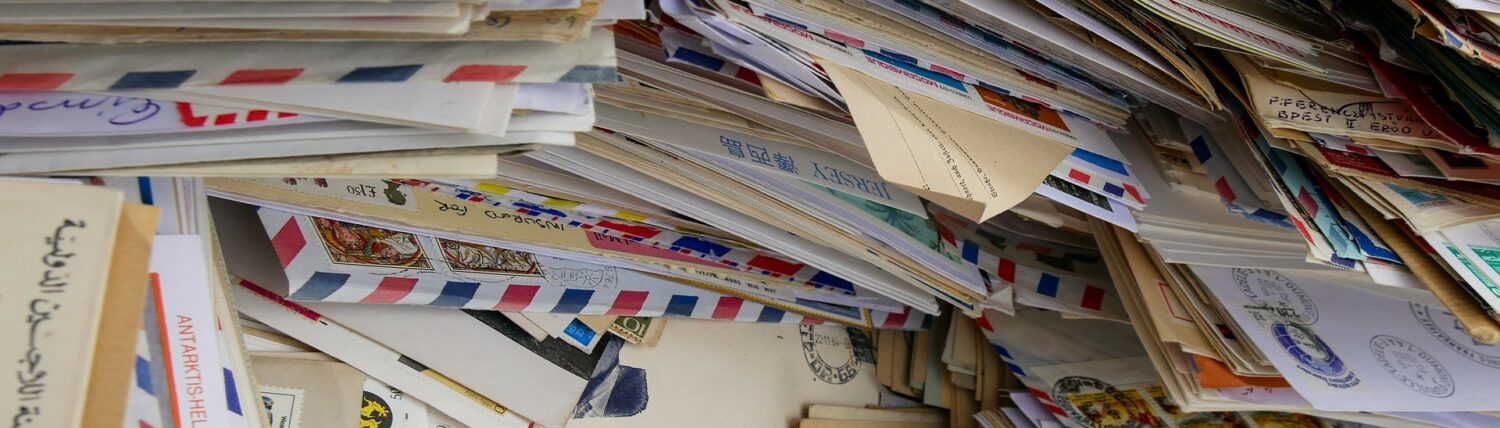
Hunting for rare or limited edition postcards is honestly my favorite part of collecting. There’s this rush when I’m flipping through a dusty box at a flea market or sorting through a postcard exchange stack and suddenly something just feels… different. Not every “old” card is special, and not every shiny modern card is common. Over the years I’ve learned to read the tiny clues that separate a run?of?the?mill card from something truly scarce, and I’m happy to share how I spot them.
What “Rare” and “Limited Edition” Really Mean
When I talk about rare postcards, I’m usually thinking about a mix of age, scarcity, subject, and condition—not just one thing on its own. Cards from the late 19th and early 20th century, especially around the so?called Golden Age of postcards (roughly 1907–1915), are often more desirable because of their quality printing and historical feel, though being old doesn’t automatically make them rare.
What really makes my heart skip is a card that obviously wasn’t printed in huge quantities—maybe it shows a tiny town, a short?lived business, or a very specific event that wouldn’t have needed a big print run. When those scarce cards are also in nice shape, with sharp corners and minimal creasing or fading, that’s when you’re usually holding something collectors will fight over.
Dating a Card at a Glance
One of the quickest ways I decide if a postcard deserves closer attention—whether I’m at a show or in a postcard exchange—is by dating it roughly from the back design and printing style.
Collectors often talk about postcard “eras,” and the layout on the back is a huge clue. For example, undivided back cards (where the whole back is for the address and the message is squeezed onto the front) usually fall around 1901–1907, while divided backs (message on the left, address on the right) kicked off that 1907–1915 Golden Age that’s so heavily collected. Later styles like white border cards (around the 1910s–1930s), linen cards with that textured surface (1930s–1940s), and glossy “chrome” cards from the mid?20th century each have their own typical time frames you start to recognize after handling enough of them.
Knowing the era doesn’t tell me everything about rarity, but it helps me quickly separate genuinely vintage cards from modern reprints or tourist rack stuff, so I can focus my energy where it counts.
Clues That a Card Is Truly Limited
Sometimes a card practically shouts “limited edition” if you know where to look. I always flip to the back and scan the fine print around the edges.
Prints and trading cards often show explicit numbering like “23/250,” and occasionally you’ll see similar numbering or edition language on modern art postcards or gallery cards, signaling a small, deliberate print run. Even when the card isn’t numbered, phrases like “souvenir of the 1915 exposition,” “special issue,” or references to a one?time event can hint that the publisher didn’t print millions of them.
I also pay close attention to who printed the card. Some publishers were huge, churning out tons of views, while others were tiny regional firms that only operated for a few years. If I see an obscure local printer or a name I’ve only bumped into once or twice, that’s a good sign the print run might have been small. Printer job numbers, codes near the stamp box, or odd numbering systems can also hint at specific series or short runs once you start comparing different cards side by side.
Reading the Back: Publisher Marks and Postal History
I’m obsessed with the backs of postcards—there’s so much hidden information there. The postmark, stamp, and publisher info can all add to rarity and value.
A clear postmark from a small or long?gone town always makes me pause, especially if the date lines up with an early era. Early postmarks, special event cancellations, and interesting stamps can push a card into more desirable territory, even if the front image looks fairly ordinary at first glance.
Then there’s the publisher line and tiny logos. Some deltiologists (postcard collectors) spend a lot of time studying specific printers and their codes because those patterns help date cards and sometimes reveal when something is an early or scarce issue. I’ve had cards where the only reason I knew they were early printings was a small change in the printer’s imprint that had been documented by other collectors.
Subjects Collectors Chase the Hardest
Whenever I’m doing a postcard exchange or digging through a dealer’s stock, I’m always mentally checking off subjects that tend to be rarer and more in demand.
Views of small towns, early street scenes, and buildings that no longer exist can be surprisingly valuable because there simply weren’t many buyers at the time, so fewer cards were printed and saved. Historic events—fairs, expositions, disasters, early aviation, and transportation scenes like old trains or automobiles—are classic targets for serious collectors. Military and field?post cards with censor marks or unit information often carry both historical and collector appeal, especially from major conflicts.
Thematic categories like early holiday cards, art deco designs, and strong graphic or advertising images are also hugely popular because they combine visual punch with nostalgia. A postcard can be “limited” in practice simply because very few people thought to save that topic at the time, even if it wasn’t officially marketed as a limited edition.
Real Photo Postcards and One?Off Images
Real photo postcards (RPPCs) are one of my favorite hunting grounds for rare finds. These are actual photographs printed on postcard stock, often in small batches or even as one?offs made in local studios. They frequently capture candid scenes, small?town views, or personal moments that were never mass?produced, which makes them inherently scarcer than typical printed cards.
I always flip RPPCs over to look for stamp box markings and paper brands, because those details help confirm age and originality rather than later reproductions. When a real photo postcard also shows an unusual scene—a local disaster, early car, or obscure town—it’s almost always going into my “take home” stack, whether I found it at a fair or through a postcard exchange.
Condition vs. Rarity: When to Bend the Rules
Every collector dreams of mint?condition cards, but with genuinely rare or limited postcards, I’m willing to be more forgiving. In general, crisp corners, no major creases, clean surfaces, and unfaded colors bring the strongest prices and are what price guides and dealers emphasize.
But if I’m looking at a small?town real photo card from the early 1900s, or a scarce exposition view I’ve never seen before, a light crease or a bit of edge wear isn’t going to scare me away. The key is to balance scarcity and condition in your head: common cards really need to be pristine to stand out, while truly rare pieces can still be special—and collectible—even with honest signs of age.
Practical Hunting Tips for Markets and Postcard Exchange
When I’m out in the wild or trading through a postcard exchange group, I follow a pretty simple routine to spot rare or limited edition candidates quickly. First, I do a fast scan of the backs, pulling out anything with undivided or early divided backs, unfamiliar publishers, or interesting postmarks from tiny places.
Next, I look for strong subjects: unusual street scenes, early transportation, local industry, military camps, expositions, disasters, or anything that clearly no longer exists. Real photo postcards get extra attention automatically, especially if they look like they were produced locally instead of as generic tourist shots.
If I’m unsure, I’ll set aside a small pile and later cross?check a few cards against online auction results, dealer sites, or reference material to see how often similar cards appear and what they’ve actually sold for. Over time, your eye gets faster—you’ll start recognizing which views and publishers show up constantly and which ones you almost never see, whether that’s in your own collection, at shows, or in a regular postcard exchange.
In the end, spotting rare or limited edition postcards is a mix of knowledge and instinct that grows with every box you dig through. The more cards you handle, the more those little clues—postcard era, publisher, subject, condition, and postal history—start to jump out at you, and that’s when the really satisfying finds start to happen.